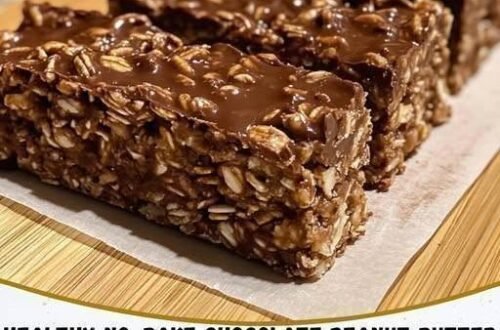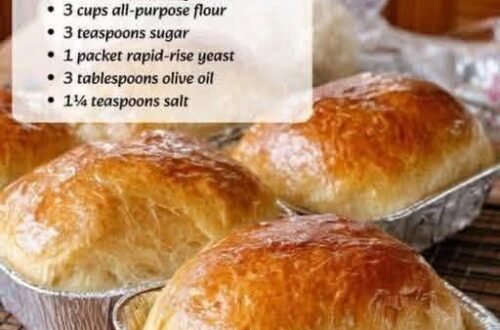
These golden, soft, buttery flatbreads look like layered homemade parathas or flaky flatbreads. They have lightly browned spots, tender centers, and separate layers that make them easy to fold or roll.
This recipe makes a similar result using simple pantry ingredients. You can cook them in a frying pan or tawa, and you don’t need an oven.
Prep time
25 minutes
Cook time
20–25 minutes
Yield
8 flatbreads
1. Ingredients
Adjust the batch size
4 breads
8 breads
16 breads
All-purpose flour (maida)
500 g
Salt
1 tsp
Sugar (optional)
1 tsp
Oil or melted ghee for the dough
2 tbsp
Water, lukewarm
280 ml
Oil or melted ghee for layering
100 ml
Extra flour for rolling
3 tbsp
Which flour is best?
All-purpose flour (maida): Gives the softest, most flexible, layered result.
Whole-wheat atta: Gives a heartier, more traditional roti flavor. The bread may be less stretchy and flaky.
Half maida and half atta: A good balance of softness and whole-wheat flavor.
Use water gradually because different flours absorb different amounts.
2. Step-by-step preparation
EHZ Mixing Bowl 4.5QT Stainless Steel Salad Bowl S… – Vicedeal
Step 1 — Mix the dough
Add the flour, salt and optional sugar to a large bowl.
Add 2 tablespoons of oil or melted ghee.
Pour in the lukewarm water gradually while mixing.
Knead for 7–10 minutes until the dough is smooth, soft and elastic.
The dough should feel soft and slightly tacky, not wet or stiff.
Jowar Roti Recipe – Soft & Healthy Gluten-Free Millet Roti – Rotimatic
Step 2 — Rest the dough
Rub a little oil over the dough. Cover it and rest for 30 minutes at room temperature.
This helps the dough relax, making it easier to stretch thin without tearing. If it keeps shrinking when rolled, let it rest another 10–15 minutes.
Seasaltwithfood: How To Make Roti Canai Dough (Pratha/Paratha)
Step 3 — Divide into portions
Divide the dough into 8 equal balls. Lightly coat each with oil and cover for another 10–15 minutes.
Keeping the dough covered prevents a dry skin from forming, which can cause cracks during rolling.
Buttery, Flaky Turkish Flatbread | Christopher Kimball’s Milk Street | Recipes, TV and Cooking Tips
Step 4 — Roll and grease
Take one dough ball and flatten it.
Roll it into a very thin circle, approximately 25–30 cm wide.
Spread a thin, even layer of melted ghee or oil across the surface.
Sprinkle a small pinch of flour over the fat.
The thin sheet and fat between layers are the secret to the flaky texture. Don’t add too much dry flour.
Flaky Roti Paratha – Cristina’s Kitchen
Step 5 — Create the layers
Fold the thin sheet back and forth like a paper fan, making narrow pleats.
Gently stretch the folded strip lengthwise.
Coil the strip into a round spiral, like a cinnamon roll.
Tuck the loose end underneath.
Lightly grease the coil and cover it.
Rest the coils for 10–15 minutes. This folding technique produces the visible layers seen in the picture.
MyKitchen101en.com
+1
Flaky Roti Paratha – Cristina’s Kitchen
Step 6 — Roll the final flatbread
Gently flatten each coil with your palm, then use a rolling pin to make a round about 15–18 cm wide.
Use light pressure. Rolling too aggressively can press the layers together and make the bread dense.
Lachha Paratha: Does making restaurant-style crispy Lachha Paratha at home seem like a difficult task? Note down this super-easy recipe.. | Fashion News Era
Step 7 — Cook on the tawa
Preheat a tawa or frying pan over medium heat.
Place one flatbread on the pan and cook for approximately 45–60 seconds.
Flip when pale golden spots appear.
Brush the cooked side lightly with oil or ghee.
Flip again, grease the other side and cook until both sides have golden-brown spots.
Press gently around the edges with a spatula to cook evenly.
Total cooking time is generally 2–4 minutes per flatbread, depending on thickness and heat.
Lachha Paratha – Gulfood 2026
Step 8 — Separate the layers
Transfer the cooked bread to a plate. While it is still hot, gently clap or pat it between your hands, using a clean towel if necessary.
This helps loosen the cooked layers. Brush with a little ghee if desired, stack the breads and cover with a clean kitchen towel to keep them soft.
3. Important tips for restaurant-style results
For many visible layers: Roll the first sheet very thin and distribute the oil or ghee evenly. Pleat it before coiling.
For a soft center: Knead thoroughly, allow the dough to rest, and avoid overcooking.
For a crispy exterior: Cook on a properly heated tawa with a light coating of fat. Avoid a cold pan.
For easy rolling: If the dough resists stretching, cover it and wait another 10 minutes instead of forcing it.
For an even stack: Keep cooked breads covered in a clean towel. Stacking helps retain moisture and keeps the centers soft.
4. Nutrition information
The following figures are estimates for one of the 8 flatbreads made with all-purpose flour and the full quantity of oil or ghee listed. Actual values depend on how much fat is absorbed and whether you use ghee, butter or oil.
Estimated nutrition per flatbread
Calories
300–340
Carbohydrates
40–45 g
Protein
5–7 g
Fat
11–15 g
Fiber
1–2 g
Cholesterol
0–40 mg
Estimates only; cholesterol is generally zero with vegetable oil and higher with butter or ghee. Sodium varies with the amount of salt used.
How to make it lighter
Use less oil or ghee for layering and cooking.
Substitute some or all of the maida with whole-wheat atta.
Make smaller flatbreads to manage portion size.
Serve with plain yogurt, lentils, eggs or vegetables for a more balanced meal.
5. Allergen information
Ingredient
Allergen or dietary note
Wheat flour / maida
Contains gluten; unsuitable for people with celiac disease or wheat allergy.
Ghee or butter
May contain residual milk proteins; people with milk allergy should avoid them unless their clinician confirms otherwise.
Vegetable oil
Usually dairy-free; check the label for the specific oil and any cross-contact warnings.
Salt and sugar
No major allergens by themselves.
Nut information: This basic recipe contains no nuts as ingredients. However, if preparing it for someone with a nut allergy, check the flour, oil and ghee packaging for cross-contact warnings and use clean utensils and cooking surfaces.
Dietary suitability: Vegetarian; can be vegan if you use plant-based oil instead of ghee or butter. It is not gluten-free when made with wheat flour.
6. Serving suggestions
Masala Lachha Paratha Recipe by Samia Aijazz – Cookpad
Breakfast
With yogurt, pickle, tea or an omelet.
Annpurna Vaishno Dhaba, Kurukshetra Locality order online – Zomato
Lunch or dinner
With chana masala, dal or chicken curry.
Best misal in Nashik, as per the city’s top foodies | Condé Nast Traveller India
Protein-rich meal
With eggs, yogurt or beans.
Quetta Arafat Hotel menu in Karachi | Food Delivery Karachi | foodpanda
Simple snack
With a little butter, honey or chai.
7. Storage and reheating
Room temperature: Best eaten fresh. Keep covered and avoid leaving perishable fillings or accompaniments at room temperature for extended periods.
Refrigerator: Cool the breads, seal in an airtight container and refrigerate for up to 3 days.
Freezer: Place parchment between completely cooled breads and freeze in a sealed freezer bag for up to 2 months for best quality.
Reheating: Heat on a medium tawa for 30–60 seconds per side. Add a few drops of water to the pan and cover briefly if the bread has become dry.
You can also freeze the uncooked, shaped flatbreads with parchment between them, then cook from frozen over medium-low heat until fully cooked.
8. Frequently asked questions (Q&A)
Q1. Why are my flatbreads hard instead of soft?
The dough may be too dry, insufficiently rested, or overcooked. Add water gradually while kneading, rest the dough well and avoid leaving the bread on the tawa for too long.
Q2. Why don’t I get separate layers?
The first sheet may be too thick, the fat may not be evenly distributed, or the final rolling may be too forceful. Roll thin, pleat evenly and flatten the coil gently.
Q3. Can I make these without ghee?
Yes. Neutral vegetable oil works well. It gives a similar layered texture, although the flavor differs from ghee.
Q4. Can I use only whole-wheat atta?
Yes. Use the same general method, adding water gradually until the dough is soft. The result will be heartier and often slightly less stretchy than the all-purpose-flour version.
Q5. Can I add baking powder?
It is not necessary for this recipe. The layers come from folding and separating the dough with fat rather than from a chemical raising agent.
Q6. Why does the dough tear when I stretch it?
It may be under-rested, too dry or stretched too quickly. Rest it longer and apply gentle, even pressure. A small tear is usually fine.
Q7. Can I prepare the dough the night before?
Yes. Store the covered dough in the refrigerator overnight. Bring it toward room temperature until pliable before shaping, and keep it covered while working.
Q8. How do I make the bread look like the photograph?
Use a soft dough, roll thin sheets, pleat and coil them, then roll into rounds and cook until golden. The photo shows a stack of layered flatbreads, but the exact original recipe cannot be confirmed from the image alone.
Q9. Can I make these without a rolling pin?
Yes. Flatten and stretch the dough by hand on a lightly greased surface. A rolling pin usually makes it easier to get consistent thickness.
Q10. What is the difference between roti and paratha?
Roti is generally a simpler flatbread cooked with little or no added fat. Paratha often includes fat and folding techniques, which can make it richer and more layered.
For another step-by-step reference, see the
Lachha Paratha recipe from King Arthur Baking .
My best tip: The most important part of this recipe is to roll the dough thin, spread the fat evenly, fold into pleats, coil and rest before the final rolling. That technique is what creates

With years of experience in restaurant research and local SEO, Sara creates accurate, user-friendly guides that work for both people and search engines. Her goal is to help users go from search results to their nearest restaurant or menu choice with as few clicks as possible.
- Grandma’s Cream Puffs – Light, Crisp & Creamy - October 17, 2026
- Easy Crockpot Creamy Garlic Parmesan Chicken - October 17, 2026
- Garlic Herb Roasted Potatoes - October 17, 2026